Olive oil is best stored at room temperature in a cosy dark place away from the light and heat, like in a pantry.
Olive oil is a natural product made simply from pressed olives, so like any fresh ingredient, it’s at its best when enjoyed sooner rather than later. While it can be stored for many months if kept in a cool, dark place, we always recommend using your olive oil as fresh as possible to experience its full flavour, aroma, and vibrant character.
Over time, even unopened bottles will gradually lose some of their brightness and complexity. For the best taste and quality, enjoy your olive oil regularly and replace it often because fresh olive oil simply tastes better.
Because it’s so natural and minimally processed, olive oil is a delicious dose of pure goodness. It’s naturally rich in heart-healthy monounsaturated fats, which help reduce LDL (“bad”) cholesterol levels while maintaining HDL (“good”) cholesterol — supporting overall heart health and lowering the risk of heart disease and stroke.
But the benefits don’t stop there.
Extra virgin olive oil is also packed with powerful antioxidants and polyphenols. These natural plant compounds help protect the body from oxidative stress and inflammation, which are linked to ageing and many chronic diseases. Regular consumption of olive oil as part of a balanced diet has been associated with improved cardiovascular health, better blood sugar control, and support for overall wellbeing.
Olive oil also enhances the absorption of fat-soluble vitamins (A, D, E and K) from other foods, making your salads, vegetables, and Mediterranean dishes not only more delicious, but more nutritious too.
The Australian Dietary Guidelines recommend replacing saturated fats such as butter, cream, coconut, and palm oils with healthier unsaturated fats like olive oil to help maintain a healthy diet.
So splash it, dash it and pour it on for vibrant flavour and health benefits you and your guests will appreciate.
Learn more about the health benefits of olive oil on our Health & Nutrition page Health – Moro Olive Oil
The smoke point is the temperature at which an oil begins to visibly smoke and break down when heated. Once this happens, the flavour can deteriorate and the oil may develop an unpleasant taste as the fruity components begin to burn. Smoke point is different from flash point, where the flash point is the temperature, higher than smoke point, at which an oil may ignite if exposed to an open flame or heat source. Generally speaking, if your cooking oil starts smoking heavily and begins to smell, it is advisable to reduce the heat immediately.
Importantly, smoke point is not necessarily a reliable indicator of a cooking oil’s stability (and therefore health and safety) under heat. Instead, oxidative stability (meaning an oil’s resistance to reacting with oxygen) is a more important factor. Thanks to the low polyunsaturated fat content of all types of olive oil, but in addition the presence of antioxidants in extra virgin olive oil, olive oil is one of the most stable cooking oils when heated, producing fewer harmful compounds than other vegetable and seed oils that claim to have higher smoke points. In particular the antioxidants of Extra Virgin Olive Oil protect the oil from heat-induced damage.
Different types and qualities of olive oil have different smoke points, depending on how they are made, the freshness and quality parameters of the olive oil and whether the oil is a blend containing refined olive oil. Since olive oil is a natural product, the exact smoke point can vary from batch to batch, but here is a guide:
All Moro olive oils are suitable for everyday cooking. Choosing the right one depends on the flavour profile you prefer and the level of heat you’re using.
“Extra virgin” is the highest grade of olive oil. While it is often described as the first cold extraction of the olives, it’s not just about being first-pressed — it’s about meeting strict international quality standards.
To be classified as extra virgin, the oil must be mechanically extracted without heat or chemicals and must comply with the International Olive Council (IOC) specifications. This includes meeting precise chemical parameters (its natural “fingerprint”) and passing rigorous sensory assessment by trained tasting panels. The oil must have a positive fruity character and be completely free from defects in aroma and flavour.
The result is a vibrant, fresh-tasting oil with natural fruitiness, balanced bitterness, and a gentle peppery finish true to the olive itself.
You can learn more about the IOC standards here: Olive Oil – International Olive Council.
With confidence and generosity! The art of good drizzling is all about control. That’s why we have innovated with a market-first “Two-Speed Pourer”, which allows you to easily switch from generous pouring when you need a lot in a hurry, to precise drizzling in the “slow” setting – it’s just a matter of a small turn of the dial at the base of our pourer. Or try our Squeeze bottle, which is the format chef’s prefer – not just will you avoid the risk of breaking glass if dropped, the nib on our Moro Squeeze allows you to achieve everything from drop-by-drop application to a gentle drizzle, to a strong jet of olive oil.
Drizzling olive oil over dishes just before serving enhances flavour, texture and visual appeal, it could be for your salads, grilled vegetables, pasta or fresh bread, but it will also elevate desserts, canapes, fruits and even your morning toast.
For more inspiration and tips on how to drizzle like a pro, visit Get Drizzling, an industry initiative by the Australian Olive Oil Association promoting quality olive oil and usage: https://getdrizzling.au/
Decanting olive oil into a smaller bottle or cruet can make everyday use easier, but it’s important to do it correctly to maintain freshness and quality.
If you’re transferring oil from a larger format, we recommend doing so in smaller quantities and ensuring the larger format is consumed within 1–2 months once opened. Olive oil is a natural product and begins to gradually oxidise when exposed to air, light and heat — even if stored well. The minute you open your oil tin or bottle, that is the moment when oxygen gets in and the aging accelerates.
Before decanting, make sure (each time) the bottle or container is:
Even small amounts of moisture, leftover oil or cleaning residue can affect flavour and quality.
Once filled, store your olive oil in a cool, dark place away from heat sources. For the best taste, buy in quantities that suit your usage and replace regularly to enjoy it fresh.
Olive oil has traditionally been used to preserve vegetables, herbs, and other foods by limiting their exposure to air. Submerge an ingredient like herbs or garlic in oil to infuse the oil with its flavour and to protect the ingredient from degradation, or use olive oil to create a protective barrier on a half-used jar of pasta sauce or pesto or a tub of dip.
However, while oil can help protect food, it’s important to remember that olive oil itself will naturally oxidise over time, particularly once opened.
For preservation, always ensure ingredients are properly prepared and stored safely. The oil should fully cover the food and be kept refrigerated where appropriate. (A tip: if you refrigerate something submerged in or covered in olive oil, your olive oil will likely start to form into a white/light solids that look like waxy spots, and the product may even completely solidify. This is not bad or a problem at all. Once you bring the product back to room temperature, you will notice the solids will again become liquid oil.)
If you prefer a more neutral flavour that won’t influence the taste of the food being preserved, Moro Delicado Light Taste Olive Oil is an excellent choice. Its delicate flavour profile means it won’t overpower preserved ingredients, and its lower fruit intensity makes it highly stable in its neutrality.
As always, for best results, use fresh oil and consume preserved foods within recommended food safety timeframes.
The “fridge test” is not a reliable test for olive oil quality.
Olive oil contains natural fats and different levels of waxes that can freeze as the temperature drops. However, different varieties of olives have different levels of waxes and so some may not freeze in a fridge environment.
The most reliable tests for quality olive oil include a range of technical and laboratory assessments.
Absolutely. Olive oil is ideal for everyday cooking and can be used for everything from sautéing and stir-frying to roasting and baking.
Different types of olive oil are suited to different cooking styles. Moro Primero Extra Virgin Olive Oil is perfect for low to medium-heat cooking and adds vibrant flavour to vegetables, pasta, seafood, and meats. For higher-heat cooking, Moro Tradicional Mild Taste Olive Oil and Moro Delicado Light Taste have higher smoke points and are excellent for frying, grilling, and searing.
We recommend paying attention to the recommended cooking temperature. For example, while it could be assumed that deep frying is best at the highest possible temperature, for delicate foods like fish and vegetables, a lower temperature of 160°C to 180°C is usually recommended to prevent burning, while for most other foods, the optimal range is 175°C to 190°C, which ensures a crispy exterior while cooking the food fully inside. At higher temperatures, you might burn the outside before cooking the inside of the food, which is not only disappointing, but possibly releasing unhealthy compounds in the food.
Importantly, oxidative stability (meaning an oil’s resistance to reacting with oxygen) is a more important factor. Thanks to the low polyunsaturated fat content of all types of olive oil, but in addition the presence of antioxidants in extra virgin olive oil, olive oil is one of the most stable cooking oils when heated, producing fewer harmful compounds than other vegetable and seed oils that claim to have higher smoke points. In particular the antioxidants of Extra Virgin Olive Oil protect the oil from heat-induced damage, making this not only safe, but healthy to cook with.
Olive oil is not only versatile in the kitchen — it also enhances flavour and helps bring out the best in fresh ingredients. As a natural oil pressed from olives, it’s a staple of the Mediterranean diet and an everyday essential for delicious, balanced cooking.
For best results, avoid overheating any oil beyond its smoke point and store your olive oil in a cool, dark place to maintain freshness.
Yes, olive oil is perfectly safe to use in non-stick pans and is ideal for everyday cooking.
There’s a common myth that olive oil can damage non-stick surfaces or leave a sticky residue. Olive oil will not harm your cookware when used correctly. Residue typically occurs when oil is overheated past its smoke point, causing it to break down and polymerise on the surface.
Non-stick pans are designed for medium heat, which suits olive oil well particularly Extra Virgin Olive Oil for gentle sautéing and everyday meals. For slightly higher-heat cooking, Moro Tradicional Mild Taste Olive Oil or Moro Delicado Light Taste are also excellent choices.
To protect both your oil and your cookware:
When used at appropriate temperatures, olive oil performs beautifully in non-stick cookware delivering flavour, versatility, and reliable results every day.
Heat can reduce some delicate antioxidants in olive oil, but much of its nutritional value remains. Olive oil’s monounsaturated fats and many plant compounds are stable under typical cooking temperatures. In some cases, cooking with olive oil can even help release beneficial nutrients in foods like vegetables and make them easier for your body to absorb. For maximum benefit, use extra virgin olive oil raw such as in dressings or drizzled over finished dishes as well as in cooking.
Olive oil doesn’t spoil like dairy or meat, but it can oxidise and lose its freshness over time.
Over months, even good olive oil will gradually lose aroma, colour, and flavour. A dull or flat smell and taste are the most reliable signs that the oil has aged past its best. Beyond this, an oxidised oil may start to become rancid, especially if it has been exposed to light, oxygen or heat for an extended period of time.
A flat-tasting oil is not necessarily a problem and your oil is generally still totally fine to cook with, but you just may miss some flavour, however when an oil has become rancid you start to risk ruining the flavour of your food – only in extreme cases of advanced rancidity is it advisable to avoid consuming an oil, even though it is unlikely to cause any substantial illness, it may lead to digestive discomfort.
Therefore, storing your oil in a cool, dark place and using it within a few months of opening helps preserve its quality. Moro olive oils have best-before dates on the bottle neck and tin that reflect our recommended timeframe for optimal freshness, but the earlier you use it, the more vibrant the flavour will be.
Yes. The tiny amount of sediment found in some vinegars is called Mother of Vinegar, a grand name for a small but very natural by-product of the fermentation process that creates vinegar.
From everyday meals to special moments, Moro brings inspiration to your table.
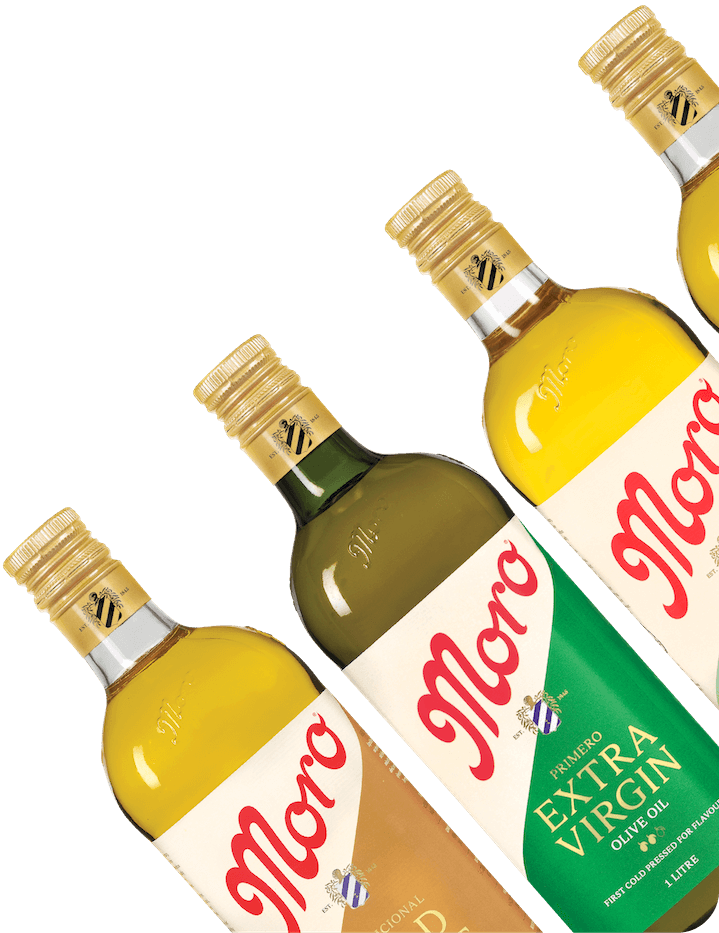
Discover your favourite from our flavourful, antioxidant-rich Extra Virgin Olive Oils to our Mild and Light Taste ranges – each with its own unique character, all crafted from the finest Spanish olives with Moro’s signature quality.
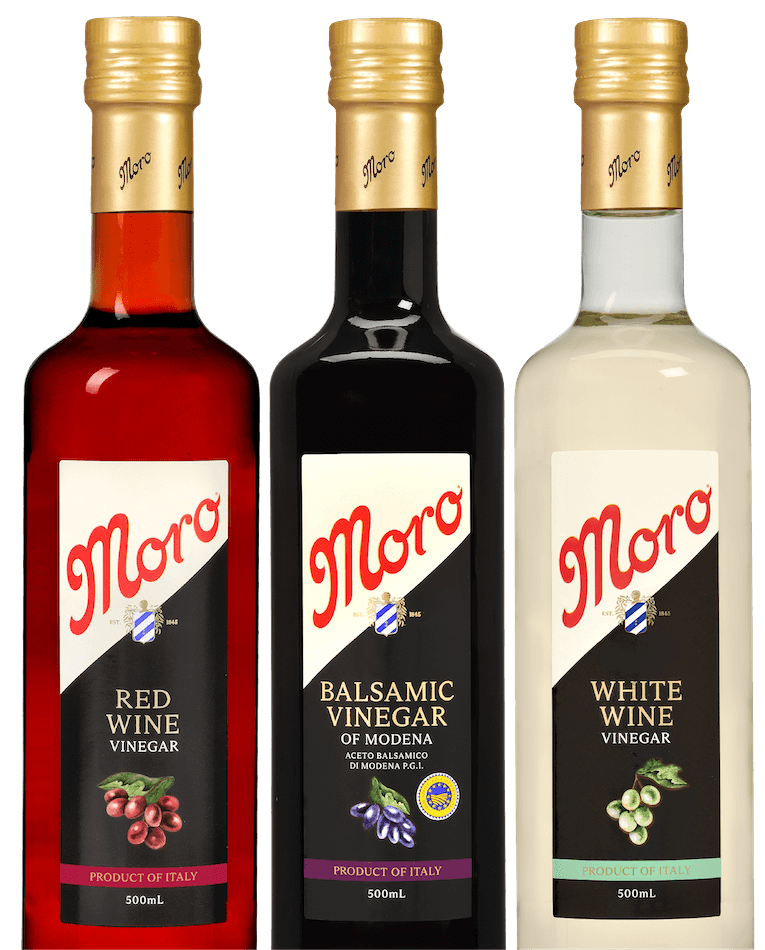
From ancient Italian casks to your modern kitchen, Moro Vinegars are crafted with tradition and care.
Made from carefully selected grape musts and wines, our vinegars deliver the perfect balance of tangy sweetness and depth. Whether you’re drizzling over fresh salads, enriching marinades, or adding brightness to roasted dishes, each bottle captures the authentic taste of the Mediterranean- rich, versatile, and unmistakably Moro.
Discover the art of cooking with our premium oils and vinegars. Our collection of recipes celebrates the pure, vibrant flavours that only the finest ingredients can deliver. From quick weeknight dinners to show-stopping dishes, let us inspire your next culinary creation.